Exposed in a Chemical Accident
WHAT TO DO AFTER TOXIC EXPOSURE
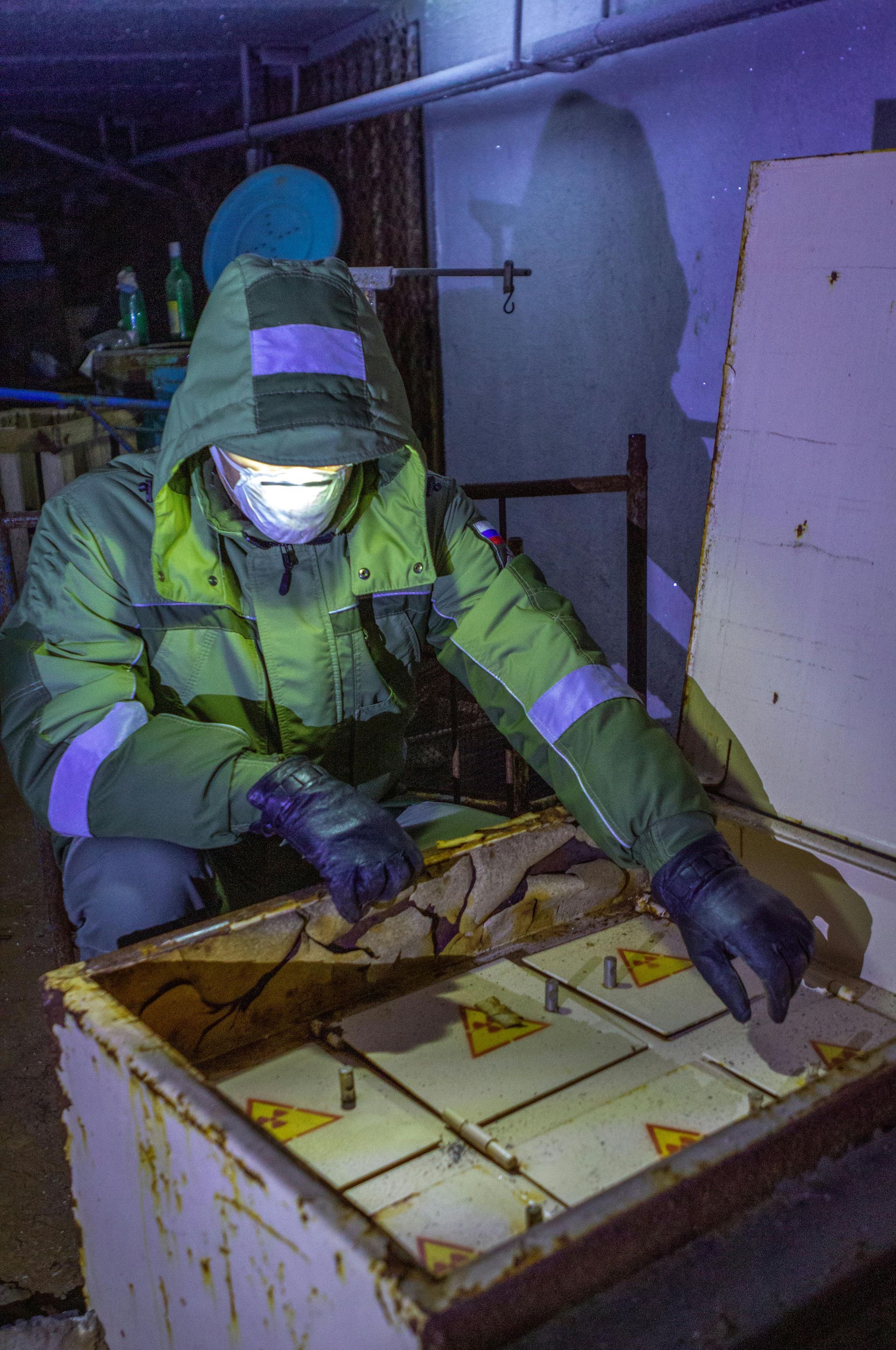
If you worked at or responded to the Catalyst Refiners facility - or believe you were exposed to chemical fumes during the April 22, 2026 incident - taking timely, documented steps is critical for both your health and your legal rights.
1. Seek Medical Evaluation Immediately (Even if Symptoms Are Mild)
Chemical exposures, including hydrogen sulfide and nitric acid byproducts, can cause delayed or worsening symptoms, particularly affecting the lungs and nervous system. Shortness of breath, persistent coughing, chest tightness, dizziness, headaches, or fatigue should never be ignored.
- Request that your provider document chemical exposure in your medical records
- Follow up with a specialist if symptoms persist
- Keep copies of all medical reports, discharge summaries, and prescriptions
Early documentation can be essential if injuries progress over time.
2. Report the Exposure Through Proper Channels
If you were an employee or contractor:
- Notify your employer or site supervisor as soon as possible
- Ensure an incident or exposure report is completed
If you are a first responder:
- Report the exposure through your department or agency
- Confirm that the exposure is logged in occupational health records
These reports can later become key evidence regarding scope of exposure and employer knowledge.
3. Preserve Evidence and Information
After a chemical incident, critical information can disappear quickly. If possible:
- Write down where you were, what you were doing, and how long you were exposed
- Note any odors, symptoms, PPE used, or instructions given at the scene
- Keep contact information for coworkers or responders who witnessed conditions
- Save photos, texts, emails, or shift schedules related to the incident
Do not rely on memory alone. Notes taken at the time of the incident matter.
4. Do Not Assume Workers’ Compensation Is Your Only Option
While workers’ compensation may cover some medical care or wage loss, it is not always the exclusive remedy, especially when:
- Third‑party contractors were involved
- Safety regulations were violated
- Dangerous chemicals were mixed improperly
- Protective procedures were inadequate during shutdown or decommissioning
In fatal incidents, families may also have wrongful death claims that exist outside the workers’ compensation system.
5. Speak With an Experienced Chemical Exposure Attorney
Industrial chemical cases are complex. They often involve:
- OSHA and federal safety investigations
- Multiple corporate entities and insurers
- Medical causation disputes
- Long‑term or latent injuries
Before giving recorded statements or accepting early claim determinations, it can be important to understand all potential avenues of recovery.
Cross Monumental Law Firm represents individuals and families affected by serious workplace and industrial chemical exposures. Our team can help evaluate whether additional claims may exist beyond workers’ compensation and guide you through next steps with clarity and discretion.
Your Health Comes First and Your Rights Matter Too
No one should suffer lasting harm because safety protocols failed. If you or a loved one were impacted by the Nitro‑area chemical release, timely action can make a meaningful difference, both medically and legally.
The information above is provided for general educational purposes and does not constitute legal advice. Each case is unique.